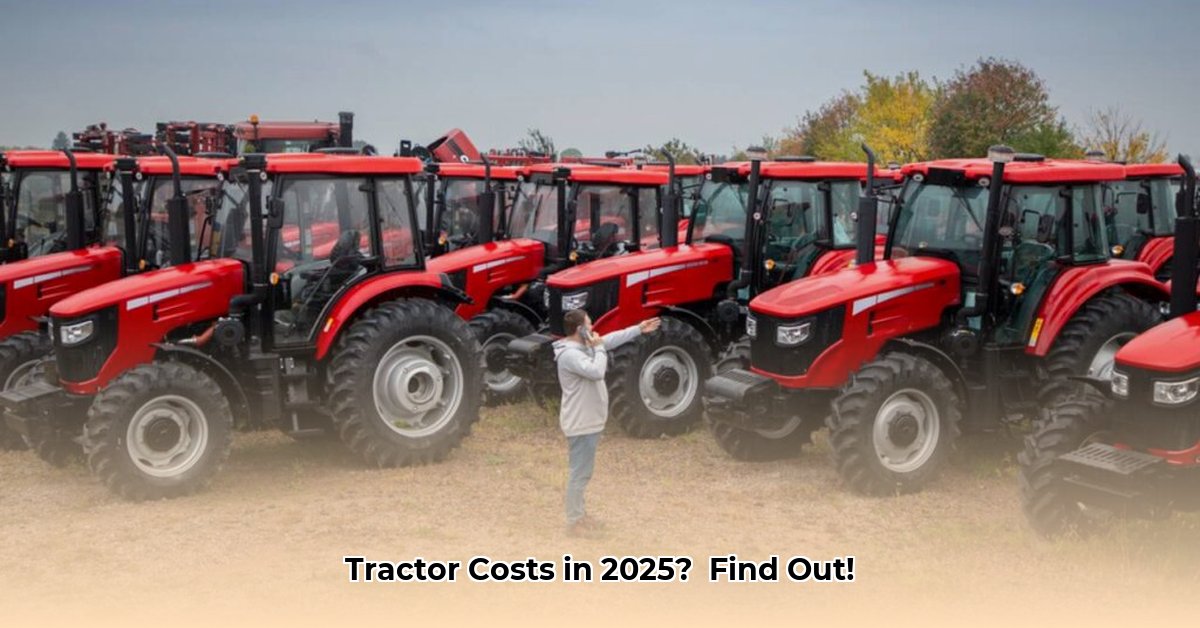
Buying a tractor is a significant investment for any farmer, regardless of operation size. The cost can range dramatically, from a few thousand dollars for a compact model to well over half a million for a high-horsepower machine. For more detailed cost analysis, check out this helpful resource: Tractor Cost Guide. This buyer's guide provides a comprehensive overview of tractor costs in 2025, encompassing factors impacting price, operational expenses, financing options, and sustainability considerations. Understanding these aspects is crucial for making an informed, financially sound, and environmentally responsible decision.
Factors Affecting Tractor Cost
Several key factors significantly influence the final price tag of a tractor. Let's delve into the most impactful elements.
Tractor Size and Horsepower
Horsepower (HP) is a primary driver of tractor cost. A compact tractor with 25 HP will be substantially cheaper than a 300 HP model designed for large-scale operations. The increased power capability necessitates stronger engines, more robust transmissions, and heavier-duty components, all contributing to a higher price. Consider your specific needs; more horsepower doesn't automatically translate to better value. Do you truly require the extra power, or would a smaller, more cost-effective model suffice?
Features and Technological Advancements
Modern tractors often include advanced features like GPS guidance systems, automated steering, and precision farming technologies. These features enhance efficiency and precision but substantially increase costs. Carefully assess which features are essential for your operation and avoid unnecessary upgrades that unnecessarily inflate the price. Prioritize functionality over unnecessary embellishments.
Brand and Reputation
Tractor brands vary in price and perceived quality. Established brands with strong reputations for reliability often command higher prices. While a premium brand might offer superior build quality and long-term value, more affordable options can often provide acceptable performance. Thorough research on reliability and maintenance history is crucial when choosing a brand, regardless of price.
Age and Condition (New vs. Used)
Buying a used tractor can lead to significant savings. However, a careful inspection is vital to avoid costly repairs down the line. A well-maintained used tractor can offer considerable value, but a neglected machine could quickly become a financial burden. Consider the age, service history, and overall condition before committing to a used purchase. Factor in potential repair costs when comparing prices.
Attachments and Implements
Remember that the tractor's base price is just the beginning. Essential and optional attachments, such as loaders, backhoes, plows, and other implements, add substantially to the overall cost. Budget for these expenses upfront to avoid unforeseen financial strain later. Create a detailed list of necessary attachments and factor their costs into your total budget.
Cost Breakdown: A Range of Possibilities
The following table provides a general pricing range for different tractor types in 2025. Remember, these figures are estimates, and the actual cost will vary based on location, dealer, specific features, and the chosen brand.
| Tractor Type | Approximate Price Range (USD) |
|---|---|
| Compact/Sub-Compact | $10,000 - $35,000 |
| Utility | $30,000 - $90,000 |
| Row Crop | $80,000 - $250,000 |
| High HP (200+ HP) | $200,000 - $700,000+ |
Operational Costs: Beyond the Purchase Price
Ongoing operational costs significantly impact the total cost of ownership. These expenses should be carefully considered alongside the initial purchase price.
Fuel Consumption: Fuel costs vary depending on factors such as tractor size, usage, and fuel prices. Larger tractors consume more fuel, and fluctuating fuel costs can significantly impact operational budgets. Consider fuel efficiency when selecting a tractor.
Maintenance and Repairs: Regular maintenance is crucial for preventing costly breakdowns. Budget for routine maintenance services and potential repairs. Consider setting aside a percentage of the purchase price annually for unexpected repairs.
Insurance: Insuring your tractor protects your investment. Premiums vary based on several factors, including the tractor’s value, your location, and your insurance provider. Obtain quotes from several insurers to find the most competitive rates.
Financing Options: Making the Purchase Manageable
Several financing options exist to assist with tractor purchases. These include loans from banks, agricultural credit unions, and government-sponsored programs. Carefully explore different financing options to determine the terms that best suit your financial situation. Consider factors such as interest rates, repayment periods, and any associated fees.
Sustainability Considerations: Environmentally Responsible Farming
Sustainable agricultural practices are gaining increasing importance. When choosing a tractor, consider fuel efficiency, the potential for alternative fuels (biodiesel, for example), and the tractor's overall environmental impact. Investing in a fuel-efficient machine lowers operational costs and reduces your carbon footprint.
Risk Assessment and Mitigation: Protecting Your Investment
Proactive risk management is crucial when purchasing a tractor. The following steps can help minimize potential challenges:
- Thorough Inspection: Conduct a comprehensive inspection of any used tractor before purchase.
- Regular Maintenance: Adhere to a strict maintenance schedule to prevent costly breakdowns.
- Reputable Dealers: Purchase from reputable dealers with established service networks.
- Comprehensive Insurance: Secure comprehensive insurance coverage to protect against unforeseen events.
Conclusion: A Wise Investment
Purchasing a tractor is a substantial decision. By carefully considering all cost factors, exploring financing options, and prioritizing sustainability, you can make a well-informed choice that meets your farming needs and aligns with your long-term financial goals. Remember, thorough research is key to making a sound investment.